
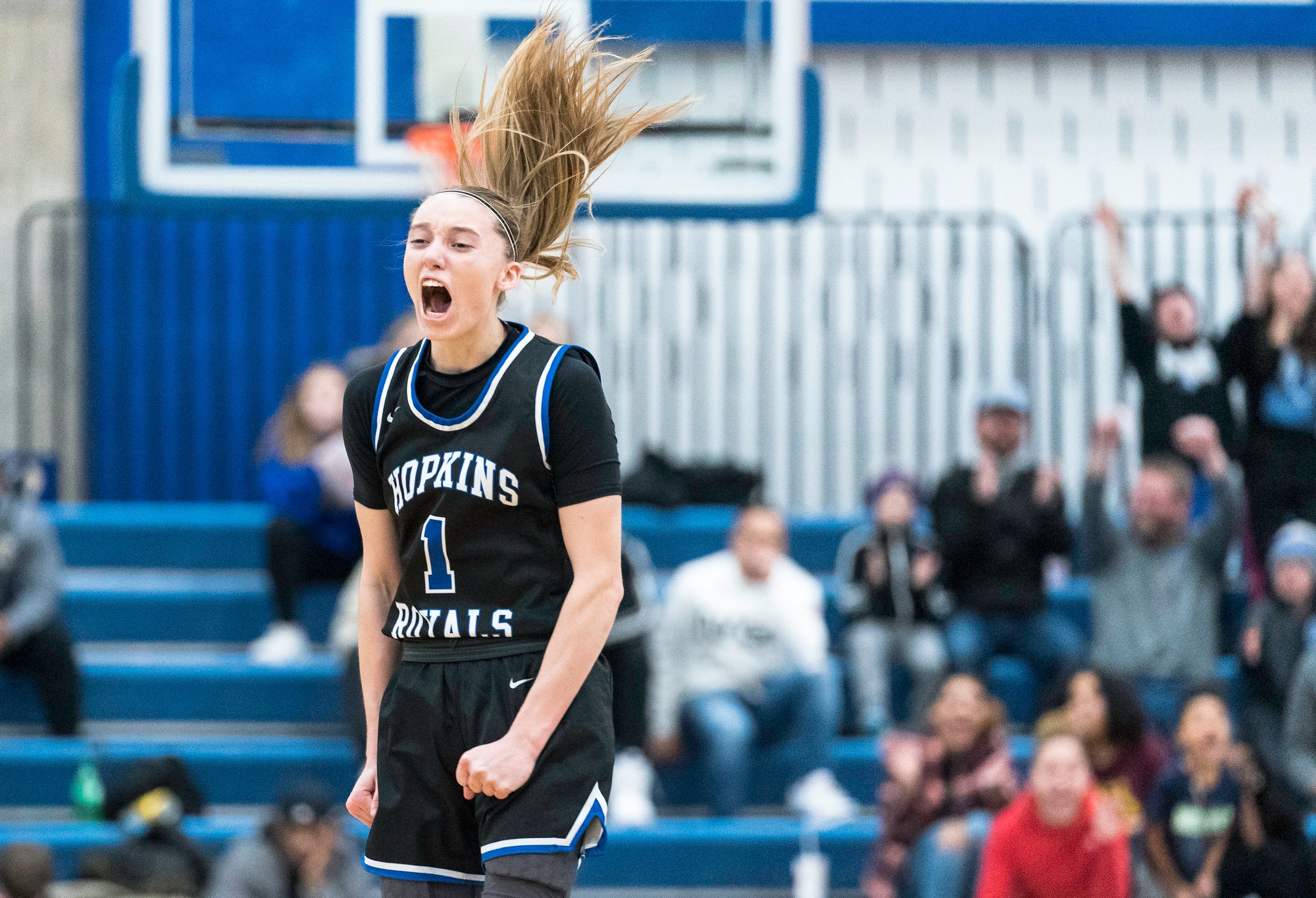
On July 1st, 2021, The National Collegiate Athletic Association (NCAA) made an announcement that sent shockwaves across the sports world. The NCAA Division 1 Council declared that collegiate athletes could now profit off their name, image, and likeness (NIL for short) without violating NCAA rules. Student-athletes are free to engage in a myriad of revenue streams, including social media partnerships, endorsement deals, autograph signings, and personal appearances. The NCAA is clear to note that the policy on all three divisions is still in line with their commitment to prevent pay-for-play.
Plenty of athletes have already signed with representatives, trademarked their own logo, and have begun selling apparel. For example, Joe Hampton, the star basketball player who starred in the hit series Last Chance U: Basketball, just announced that he would be providing services on Cameo and recently agreed to a partnership with PSD Underwear. Other athletes will be sure to tap into this opportunity, like LSU power forward Shareef O’Neal, son of NBA legend Shaquille O’Neal, who has 2.7 million followers on Instagram.
Why now?
With the NCAA taking such a long time to change its rules, states began taking the lead by passing legislation that overrides NCAA regulation. For instance, Governor Gavin Newsom signed the Fair Play Act back in September 2019, allowing collegiate athletes in California to profit off their name and likeness. The NCAA’s recent interim decision will stand until a congressional bill is passed or when new NCAA rules are adopted. There are certain nuances that differentiate state laws, such as whether an athlete may rock their school’s logo during a commercial shoot. However, for the time being, students may engage in NIL activities as long as they remain in accordance with state laws. And amongst individuals attending college in a state without an NIL law, they may now do so without violating NCAA NIL-related guidelines.
The Debate over Student-Athlete Compensation
Whether or not student-athletes should have a right to compensation has been an ongoing debate for years now. Every year, college sports generate billions of dollars for schools, corporate sponsors, and TV networks. Essentially, everybody cashes in, except the student-athletes delivering the product. For example, in 2019, college athletic programs collected a whopping $14 billion in revenue, without even including the money poured in from corporate sponsorships and broadcasting rights. There’s so much money in college sports that in 41 states, the highest-paid public employee is either a football or basketball coach.
Actors who are against paying players often point to the scholarship argument. D1 and DII athletes receive almost $3 billion in scholarships every year, with the average scholarship estimated at around $18,000. They insist that receiving a college education is a privilege that shouldn’t be taken for granted, especially when the average student loan debt in the US is about $40,000 (a separate issue for another time).
However, what is often forgotten is that just a fraction, around 1%, of all student-athletes receive a full scholarship. Players often still need to pay out of pocket for food, books, and living arrangements. Furthermore, the money generated by athletes competing in head count sports (e.g. basketball, football) are often distributed across equivalency sports programs, which produce less revenue for their schools.
Playing high-level collegiate athletics is pretty much a full-time job, with numerous surveys indicating that many student-athletes work at least 30 hours a week, but often dedicate more than 40 hours to their sport. Athletes need to work at least twice as hard just to keep up with schoolwork, or else they may resort to academic fraud. In addition, there’s always the potential for injury and the subsequent rescission of the scholarship that got them there in the first place.
College sports are heading into uncharted territory, albeit for the better. It will be interesting to see how these new NIL rules may affect group cohesion and focus, when, say, the start quarterback of Auburn University is raking in money from his side hustles, but the offensive lineman who protects him doesn’t get any interest. While the primary purpose of playing collegiate-sports isn’t to make money, it is only fair that student-athletes be provided some form of compensation, considering how much revenue and exposure they generate for their institutions.
 Elixir Sports